TERMITE INTRO
TERMITE INTRO
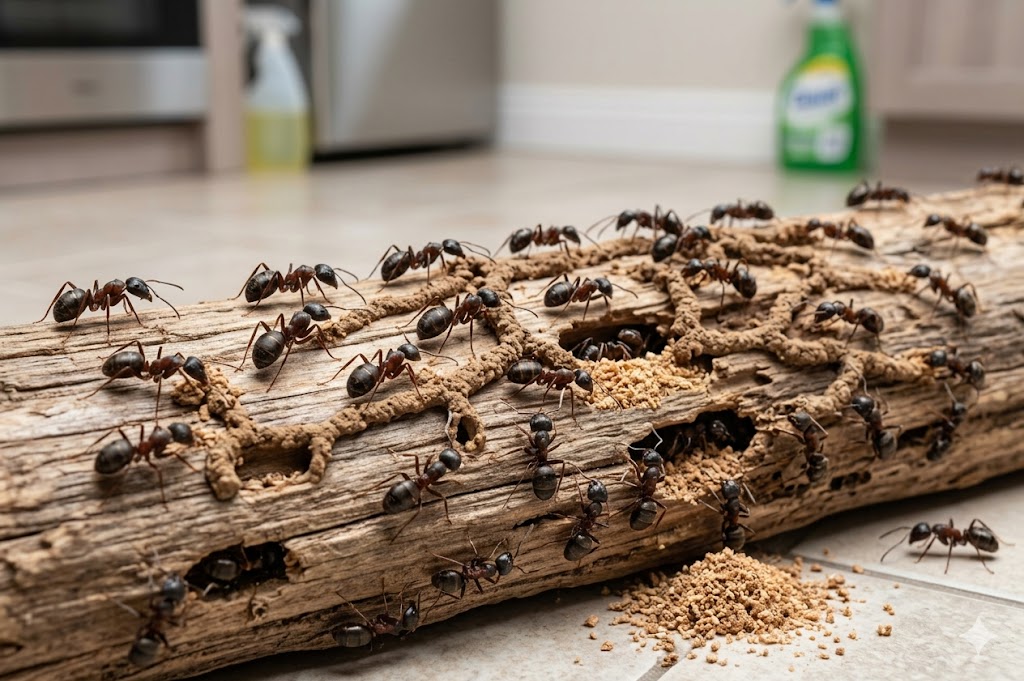
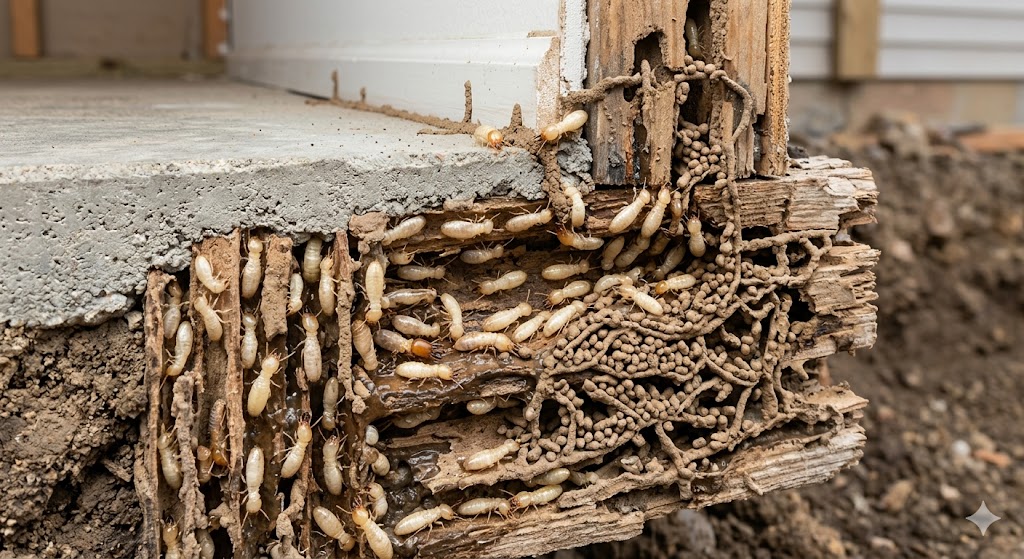
Termites are highly destructive social insects known as “silent destroyers” because they secretly consume wood, paper, and insulation. Living in vast underground or wood-based colonies, they break down cellulose, causing billions in structural damage annually. Early detection and professional treatment are essential to protect your home’s integrity from these persistent pests.
TERMITE CONTROL SOLUTION
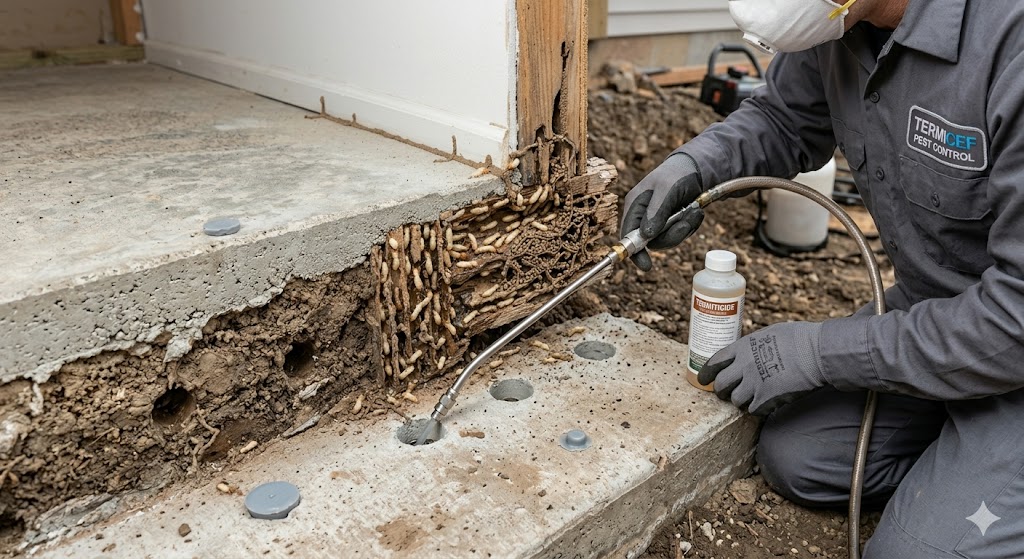
1. Drilling: Pest management professionals use high-powered drills to create small holes (roughly 12mm in diameter) at regular intervals—typically every 12 inches—along the external walls and internal floor joints.
2. Injection: A potent liquid termiticide is injected under high pressure into these holes. This ensures the chemical reaches deep into the soil or masonry where termites travel.
3. Sealing: Once the treatment is absorbed, the holes are sealed with white cement or wax to match the floor aesthetics.
RODENT CONTROL INTRO
Rodents are a huge group of mammals, making up about 40% of all mammal species! They are found all over the world. Their key feature is a pair of long, sharp front teeth (incisors) in their top and bottom jaws. These teeth never stop growing, so rodents have to gnaw on things constantly to keep them from getting too big. This gnawing is where their name, from the Latin word meaning “to gnaw,” comes from. Rodents are a very important part of the environment, but some types can be pests. There are many different types, including mice, rats, squirrels, and beavers.
TYPES OF RODENT

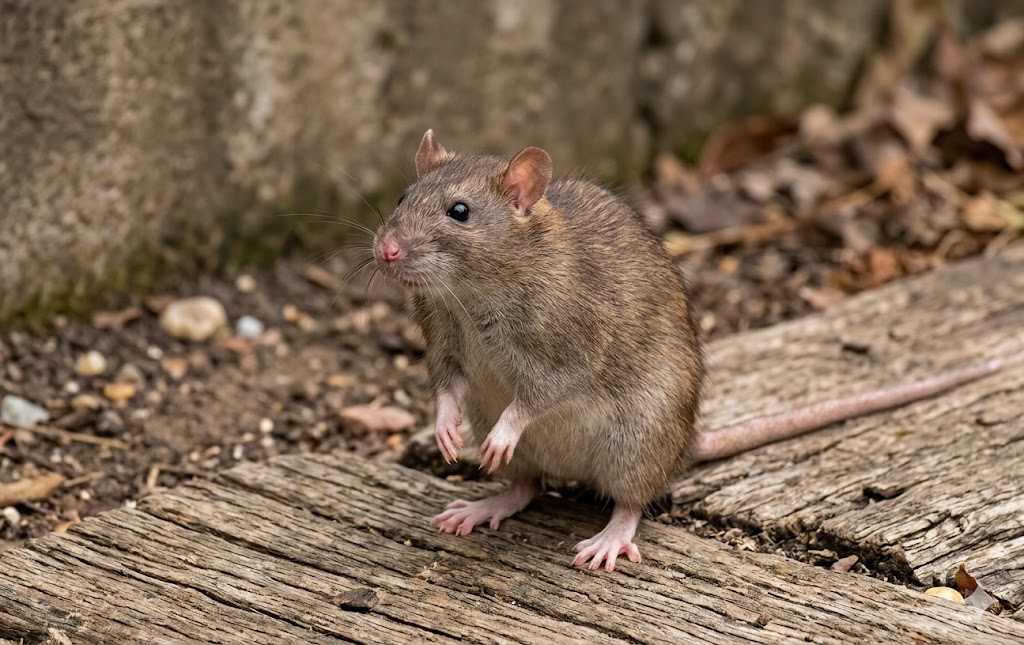
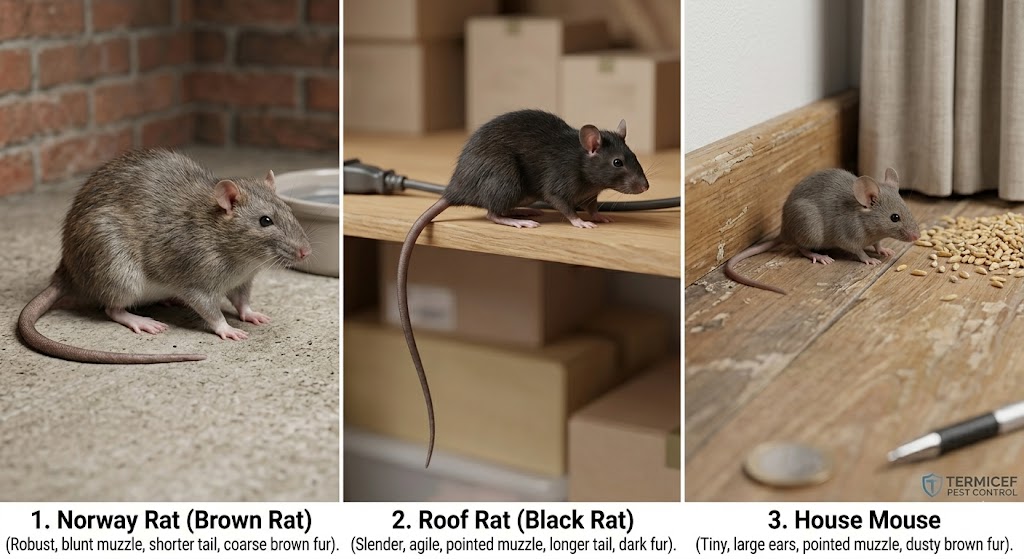
1. Norway Rat (Brown Rat) The Norway rat is a large, heavy-set rodent that prefers living at ground level or in burrows. They have blunt snouts, small ears, and thick tails. Known for being aggressive scavengers, they often nest in basements, sewers, or under building foundations and are excellent swimmers
2. Roof Rat (Black Rat) Roof rats are smaller and more agile than Norway rats. They are expert climbers with long tails used for balance. True to their name, they prefer high places like attics, rafters, and trees. They are sleek, dark-colored, and typically enter buildings through roof lines or utility wires
3. House Mouse The house mouse is much smaller than rats, with large ears and a long, thin tail. They are highly curious and can squeeze through tiny gaps the size of a pencil. While they stay close to food sources, they reproduce rapidly, making them a common household pest worldwide
RODENT CONTROL SOLUTION
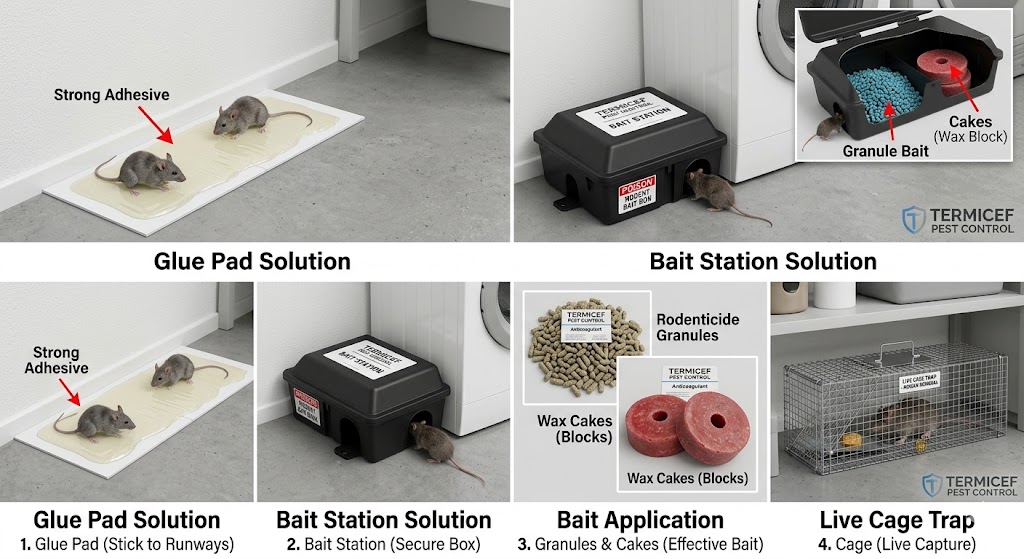
1. Glue Pads
These are flat boards coated with a strong, sticky adhesive. They are placed along walls or “runways” where rodents travel. When a mouse or rat steps on the pad, they become trapped.
• Best for: Small mice and identifying entry points.
2. Rodent Bait Stations (Boxes)
Tamper-resistant boxes are used to hold poisonous baits securely. They protect the bait from weather and prevent children or pets from reaching the chemicals. Rodents enter the box, eat the bait, and leave.
3. Granules and Cakes (Baits)
• Granules: Small pellets often used in burrows or hard-to-reach voids.
• Cakes (Blocks): Moisture-resistant wax blocks (Cakes) are ideal for damp areas like sewers or gardens. They contain anticoagulants that eliminate the rodent a few days after ingestion.
4. Cages (Live Traps)
Cages use a spring-loaded door mechanism triggered when the rodent steps on a plate to reach a food lure (like peanut butter).
• Best for: Humane removal or catching larger rats without using chemicals.
Why this Multi-Step Approach Works
Using Rodent Boxes with Cakes provides a long-term solution by reducing the population, while Glue Pads and Cages offer immediate results for stray rodents inside the building.
Pro Tip: Always place these solutions in dark, quiet corners, as rodents rarely cross open floor spaces
.
TERMITE CONTROL SOLUTION
1. Drilling: Pest management professionals use high-powered drills to create small holes (roughly 12mm in diameter) at regular intervals—typically every 12 inches—along the external walls and internal floor joints.
2. Injection: A potent liquid termiticide is injected under high pressure into these holes. This ensures the chemical reaches deep into the soil or masonry where termites travel.
3. Sealing: Once the treatment is absorbed, the holes are sealed with white cement or wax to match the floor aesthetics.
RODENT CONTROL INTRO
Rodents are a huge group of mammals, making up about 40% of all mammal species! They are found all over the world. Their key feature is a pair of long, sharp front teeth (incisors) in their top and bottom jaws. These teeth never stop growing, so rodents have to gnaw on things constantly to keep them from getting too big. This gnawing is where their name, from the Latin word meaning “to gnaw,” comes from. Rodents are a very important part of the environment, but some types can be pests. There are many different types, including mice, rats, squirrels, and beavers.
TYPES OF RODENT

1. Norway Rat (Brown Rat) The Norway rat is a large, heavy-set rodent that prefers living at ground level or in burrows. They have blunt snouts, small ears, and thick tails. Known for being aggressive scavengers, they often nest in basements, sewers, or under building foundations and are excellent swimmers
2. Roof Rat (Black Rat) Roof rats are smaller and more agile than Norway rats. They are expert climbers with long tails used for balance. True to their name, they prefer high places like attics, rafters, and trees. They are sleek, dark-colored, and typically enter buildings through roof lines or utility wires
3. House Mouse The house mouse is much smaller than rats, with large ears and a long, thin tail. They are highly curious and can squeeze through tiny gaps the size of a pencil. While they stay close to food sources, they reproduce rapidly, making them a common household pest worldwide

RODENT CONTROL SOLUTION
1. Glue Pads
These are flat boards coated with a strong, sticky adhesive. They are placed along walls or “runways” where rodents travel. When a mouse or rat steps on the pad, they become trapped.
• Best for: Small mice and identifying entry points.
2. Rodent Bait Stations (Boxes)
Tamper-resistant boxes are used to hold poisonous baits securely. They protect the bait from weather and prevent children or pets from reaching the chemicals. Rodents enter the box, eat the bait, and leave.
3. Granules and Cakes (Baits)
• Granules: Small pellets often used in burrows or hard-to-reach voids.
• Cakes (Blocks): Moisture-resistant wax blocks (Cakes) are ideal for damp areas like sewers or gardens. They contain anticoagulants that eliminate the rodent a few days after ingestion.
4. Cages (Live Traps)
Cages use a spring-loaded door mechanism triggered when the rodent steps on a plate to reach a food lure (like peanut butter).
• Best for: Humane removal or catching larger rats without using chemicals.
Why this Multi-Step Approach Works
Using Rodent Boxes with Cakes provides a long-term solution by reducing the population, while Glue Pads and Cages offer immediate results for stray rodents inside the building.
Pro Tip: Always place these solutions in dark, quiet corners, as rodents rarely cross open floor spaces
COCKROACH INTRO
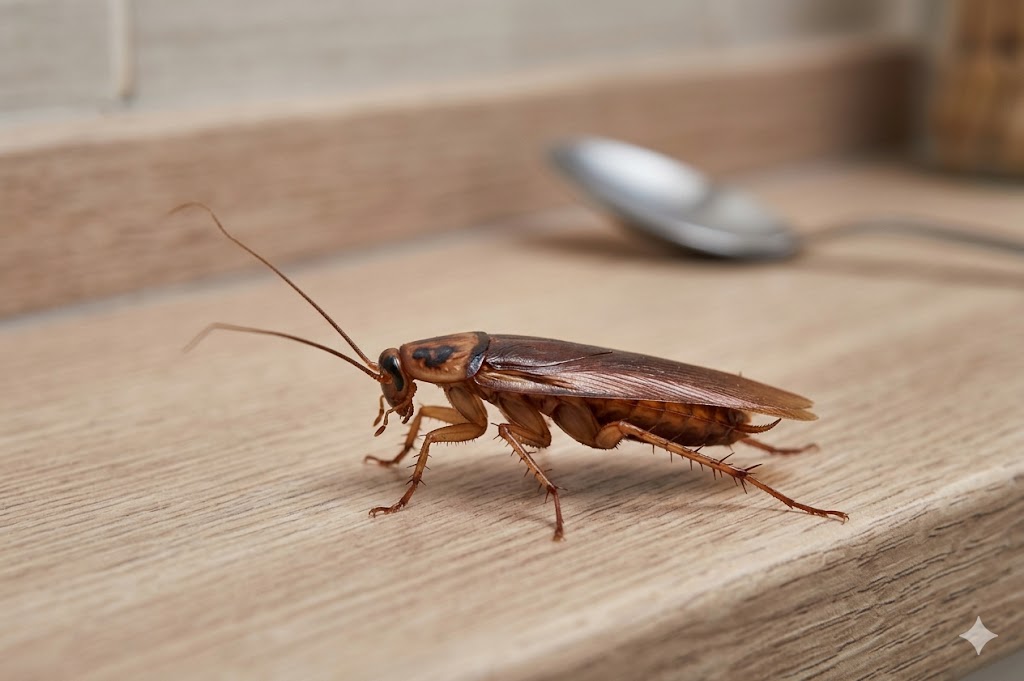
Cockroaches are hardy, flat-bodied insects known for their ability to survive almost anywhere. Found worldwide, they are mostly active at night, searching for food and water. While they help nature by breaking down waste, in homes they are considered pests because they carry germs and can cause allergies.
COCKROACH INTRO
Cockroaches are hardy, flat-bodied insects known for their ability to survive almost anywhere. Found worldwide, they are mostly active at night, searching for food and water. While they help nature by breaking down waste, in homes they are considered pests because they carry germs and can cause allergies.
COCKROACH CONTROL SOLUTIONS
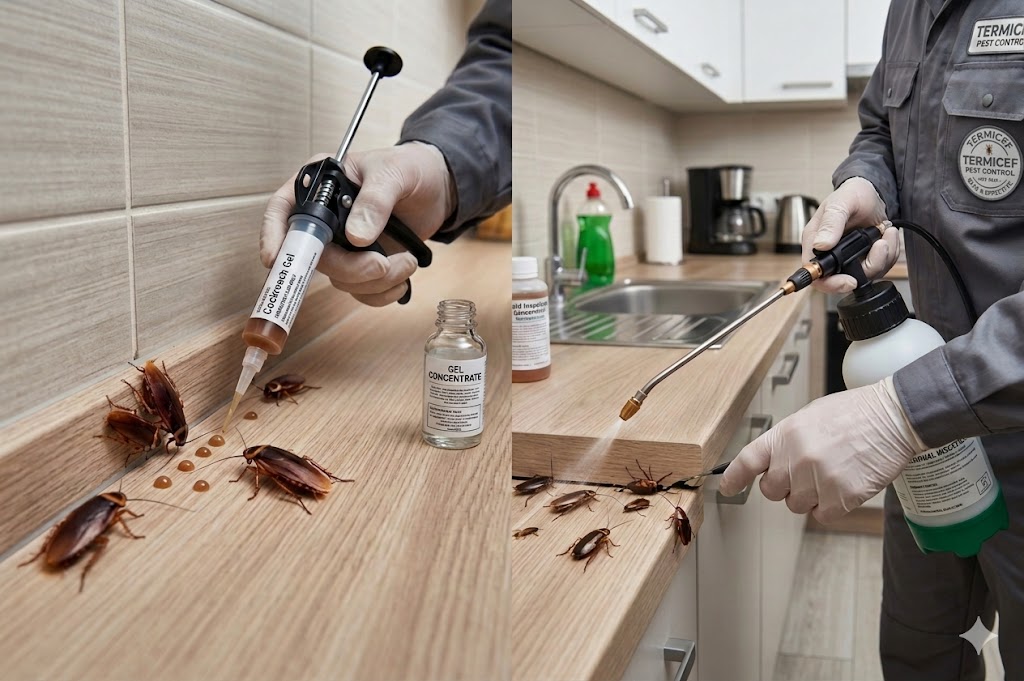
For effective cockroach control, professionals use a dual Spray and Gel approach:
• Spraying: A liquid insecticide is applied to cracks, crevices, and baseboards. This acts as a contact killer and creates a chemical perimeter that flushes roaches out of hiding.
• Gel Baiting: Small dots of toxic bait are placed in high-activity areas like cabinet hinges and under appliances. Roaches eat the gel, return to the nest, and spread the poison, ensuring colony elimination.
BEDBUG INTRO
Bedbugs are tiny, flat, reddish-brown insects that feed on the blood of people and animals while they sleep. They are experts at hiding in cracks, mattresses, and furniture. While they don’t spread diseases, their bites can cause itchy red bumps and make it very difficult to get a good night’s rest.
BEDBUG INTRO SOLUTIONS
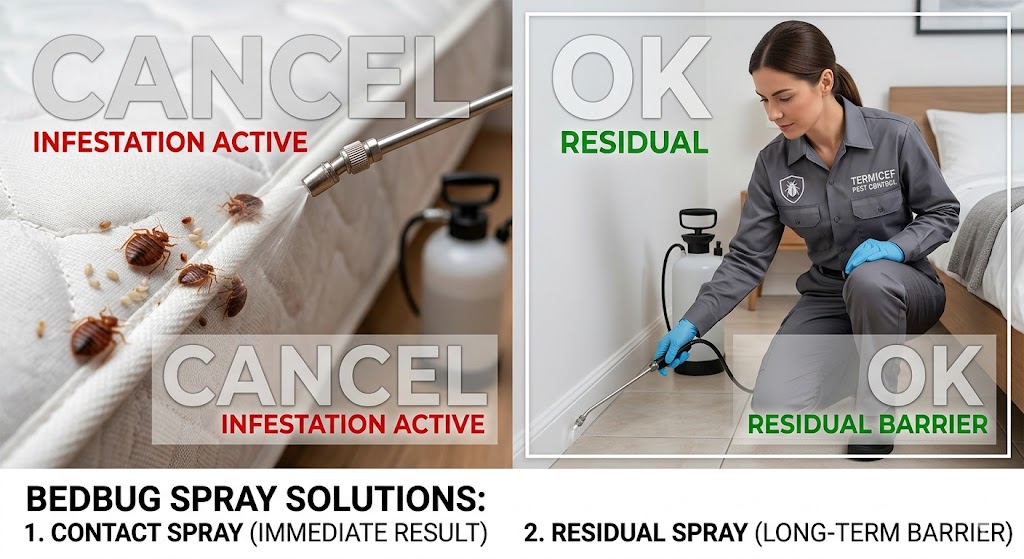
Professional bedbug spray treatments involve a targeted, two-phase approach to ensure total elimination:
• Contact Sprays: Technicians apply liquid insecticides directly to visible bugs on mattresses, headboards, and luggage for immediate results.
• Residual Sprays: Long-lasting chemicals are applied to cracks, crevices, and baseboards. These continue to work for weeks, killing bedbugs that emerge from hiding or hatch from eggs.
This combination is essential because bedbugs are experts at hiding where light cannot reach
WOOD BORER INTRO
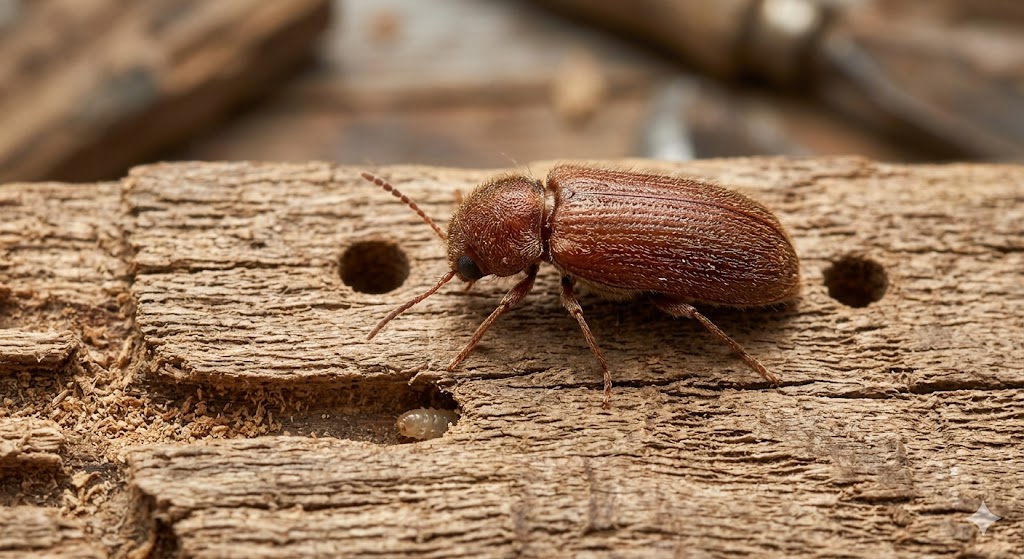
Wood borers are the larvae of various beetle species that live in and eat wood. They create tiny “pinholes” on furniture and wooden structures as they emerge. Over time, their tunneling weakens the wood from the inside, often leaving behind a fine, powdery dust known as “frass
WOOD BORER SOLUTIONS CONTROL
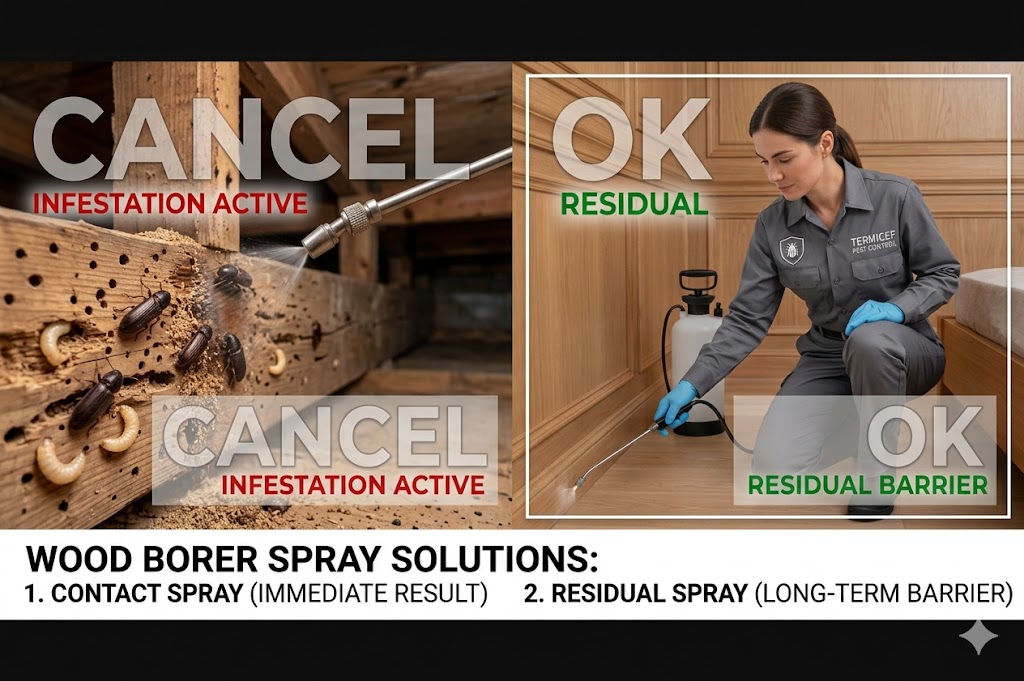
Professional Wood Borer treatment focuses on deep penetration to eliminate larvae (grubs) inside the wood:
• Injection: Technicians inject potent oil-based preservatives directly into the tiny flight holes using a syringe. This kills the larvae responsible for the damage.
• Surface Spray: A residual chemical coating is applied to all wooden surfaces. This prevents new beetles from laying eggs and kills emerging adults
LIZARD INTRO CONTROL
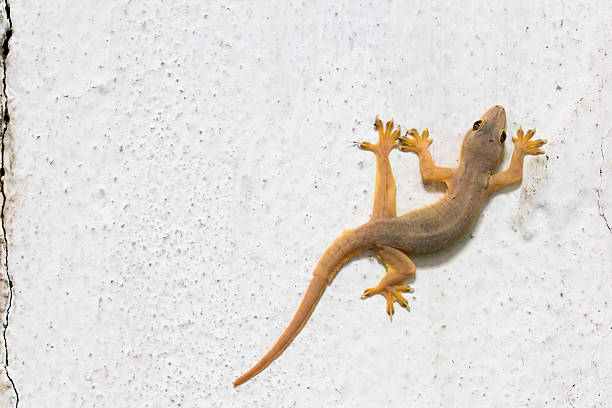
Lizards are small reptiles often found in gardens and homes. Most are harmless and eat insects, but their droppings can stain walls and spread bacteria like Salmonella
LIZARD SOLUTIONS CONTROL
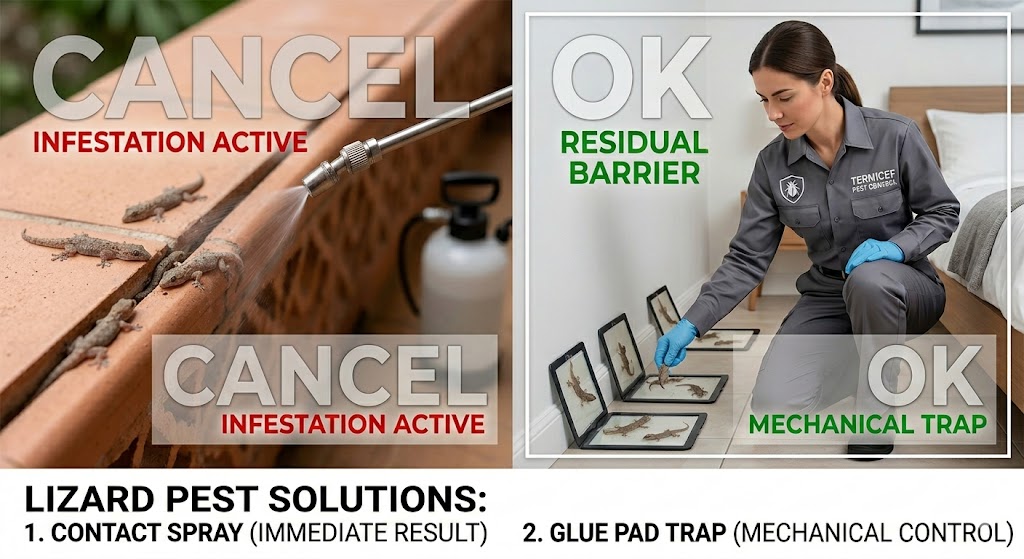
To manage lizards effectively, professionals use a combination of repellent sprays and sticky glue traps:
• Repellent Sprays: Specialists apply eco-friendly, non-toxic liquid sprays around windows, doors, and lights. These sprays contain ingredients that irritate the lizard’s sensory organs, forcing them to leave the area without causing them harm.
• Glue Traps: Placed in dark corners or behind furniture, these catch lizards moving along walls.
ANTS INTRO
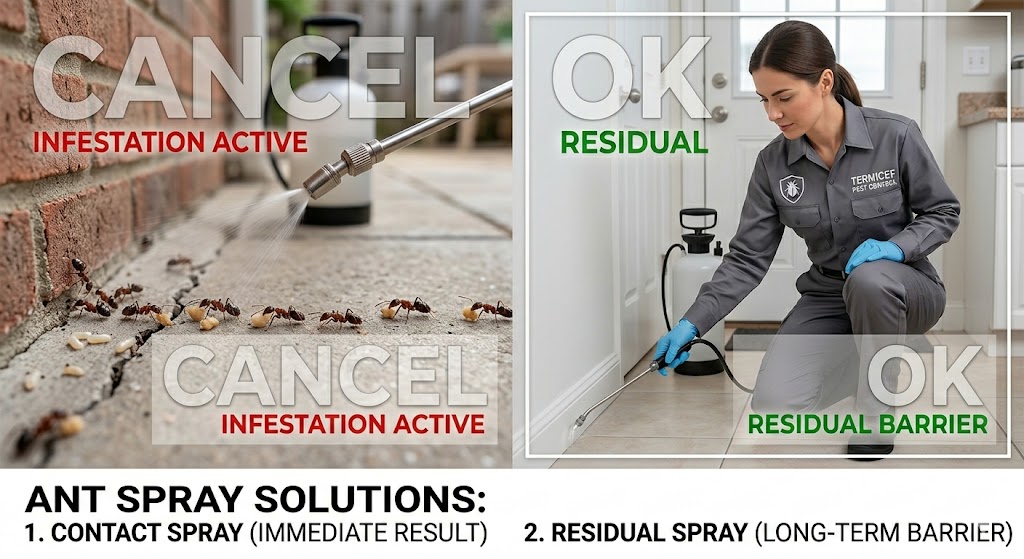
Ants are social insects that live in large colonies, often entering homes in search of food and water. They leave invisible scent trails for others to follow, leading to rapid infestations. Effective control involves sealing entry points, maintaining cleanliness, and using baits that workers carry back to destroy the entire nest
ANTS CONTROL SOLUTIONS
Professional ant spray treatments use specialized non-repellent insecticides. Unlike standard sprays that ants avoid, these formulas are undetectable. Ants walk through the treated area and carry the chemical back to the nest, sharing it with the colony. This “transfer effect” ensures the entire population, including the queen, is eliminated effectively.
MOSQUITO INTRO
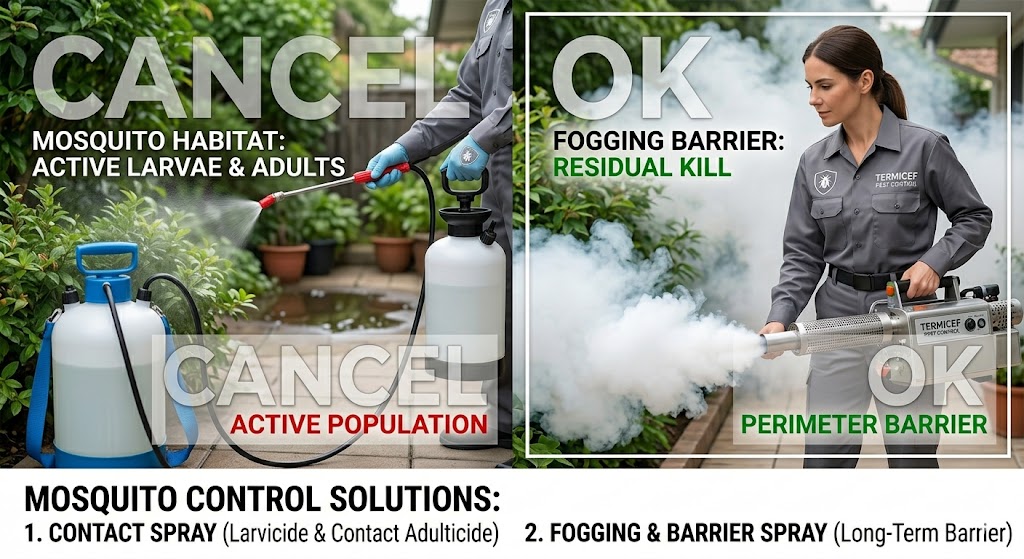
Mosquitoes are small, flying insects found all over the world. They are best known for their itchy bites, which happen when females drink blood to help them lay eggs. While most mosquitoes are just a nuisance, some can spread diseases like malaria or dengue through their bites